
Introduction
In Malaysia, dates are a regular part of the diet, and Medjool is one of the most recognisable varieties on the shelf. Large, intensely sweet and often called the "king of dates," Medjool has a size and richness that sets it apart from other types. This guide covers Medjool Dates Malaysia — what makes the variety distinctive and what it actually offers someone with an active lifestyle.
What makes Medjool dates different
Medjool dates originate from Morocco and are now widely available in Malaysia. A few things set them apart from other varieties.
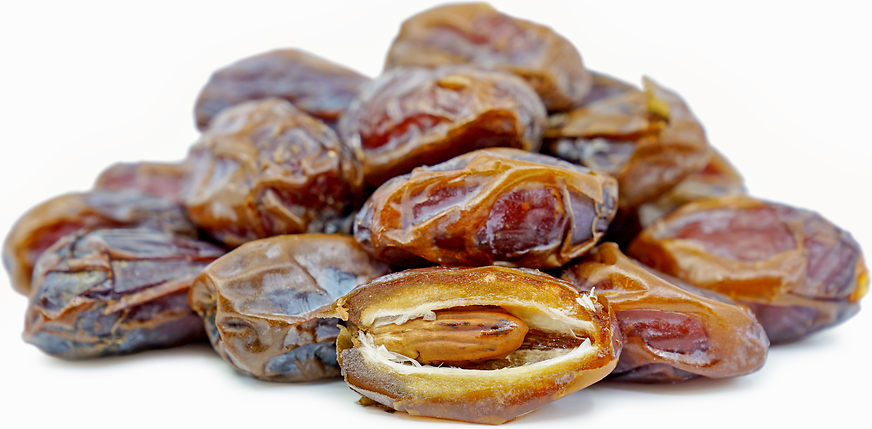
- Size: Medjool dates run 2 to 3 cm long, noticeably bigger than most other varieties, with an elongated oval shape.
- Sweetness: the flavour carries a caramel note, sweeter than most everyday snacking dates, and is often eaten on its own rather than paired with anything.
- Texture: soft enough to melt in the mouth, unlike drier varieties that need more chewing.
Because of the soft texture, Medjool works well fresh, stuffed with nuts, or blended into desserts as a natural sweetener.
Dates as an energy source for active people
The nutritional profile behind Medjool dates is straightforward:
- Natural sugars — fructose, glucose and sucrose — give a quick energy lift, useful before or after exercise. Portion size still matters given the sugar content.
- Fibre slows down how fast that sugar hits the bloodstream, which is why dates feel like a steadier source of energy than plain sugar.
- Potassium, magnesium and iron support muscle function and oxygen transport, both relevant during physical activity.
None of this is a substitute for a proper diet — dates are a convenient snack, not a training plan.
Buying Medjool dates in Malaysia
Medjool costs more than everyday snacking varieties like Safawi, which reflects the size and sweetness. Keep a portion in mind if you're managing sugar intake, and store them in a sealed container out of direct heat — they'll keep for months without drying out.